
To Book your Consultation Call or Whatsapp : +91 82470 84087
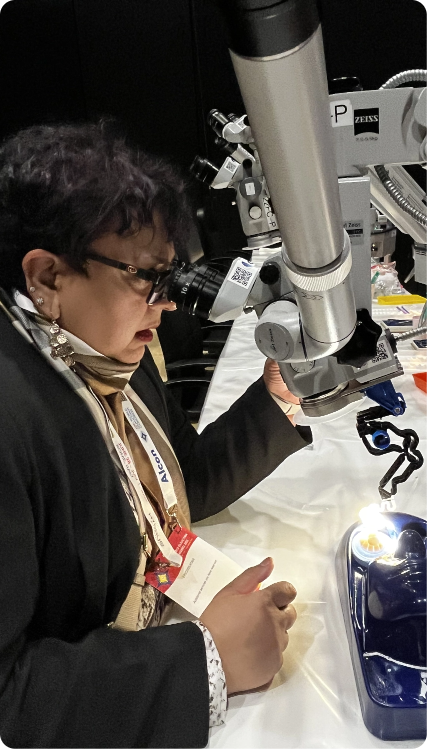
Eye health can feel complicated especially when it involves lifelong conditions like glaucoma or decisions around surgery. This page brings together answers to the questions Dr. Vanita Pathak Ray hears most often from her patients, helping you make informed, confident choices about your care. If you don’t find what you’re looking for, feel free to reach out through the Get in Touch page.
Adults above 40 should have an eye examination every 6–12 months, even if they have no symptoms. If you have diabetes, hypertension, or a family history of glaucoma, more frequent check-ups are recommended.
Yes. Family history is one of the strongest risk factors for glaucoma. If a close relative has it, regular eye pressure and optic nerve evaluations are essential.
No. Some eye drops may worsen certain conditions or mask serious problems. Always consult your ophthalmologist before using any medication.
Not directly. However, prolonged screen time can cause digital eye strain and dryness. Follow the 20-20-20 rule — every 20 minutes, look 20 feet away for 20 seconds.
A balanced diet rich in leafy greens, omega-3s, and vitamins A, C, and E supports eye health. Regular exercise also helps regulate eye pressure and overall circulation.
Glaucoma is a group of eye diseases that damage the optic nerve, often due to increased pressure inside the eye. If untreated, it can lead to irreversible vision loss.
There is no permanent cure, but early diagnosis and consistent treatment can stop or slow further vision loss. Many patients maintain excellent vision with lifelong care.
In most cases, there are no noticeable symptoms until late stages. Gradual loss of side (peripheral) vision is often the first sign.
Treatment depends on the type and stage. Options include prescription eye drops, laser procedures, or surgeries like Trabeculectomy or MIGS (Minimally Invasive Glaucoma Surgery).
Some may cause mild redness or irritation initially. Always inform your doctor if side effects persist – alternatives are often available.
Absolutely. With regular follow-ups and proper medication, most people with glaucoma lead full, active lives without major limitations.
When blurry vision starts affecting daily activities such as reading, driving, or recognizing faces, it’s time to discuss surgery with your doctor.
No. It’s performed under topical or local anesthesia, is painless, and usually takes less than 20 minutes.
Premium IOLs can correct distance and near vision and reduce dependence on glasses. The right choice depends on your eye health and lifestyle needs.
Yes. Dr. Pathak-Ray often performs combined procedures for patients who have both conditions, ensuring better pressure control and clearer vision.
Most patients return to daily activities within 48 hours, with minor precautions for dust, water, and heavy lifting during early recovery.
MIGS stands for Minimally Invasive Glaucoma Surgery. These are small-incision procedures that lower eye pressure effectively with faster recovery and fewer complications.
Laser therapy is non-invasive and typically performed as an outpatient procedure. It doesn’t involve incisions or stitches. Surgery, in contrast, creates a controlled drainage route for fluid when pressure remains high.
No. All glaucoma and cataract procedures are performed as day-care surgeries, allowing you to go home the same day.
Yes. Even after successful treatment, regular follow-ups are essential to monitor eye pressure and optic nerve health.
In some cases, yes. However, the goal is to reduce dependency on medications while maintaining stable pressure — each patient’s response varies.
Avoid rubbing your eyes, protect them from dust and water, and use prescribed drops as directed. Wear protective glasses outdoors.
Gentle activities like walking are fine after a few days. Avoid heavy lifting or bending for at least two weeks post-surgery.
Understanding the process helps. Dr. Pathak-Ray and her team explain every step and guide you through post-care so you feel confident and informed.
Cataracts do not recur once the lens is replaced. Glaucoma, however, requires ongoing management and monitoring throughout life.
Every patient’s situation is unique. If you’d like to discuss your specific concerns or understand your treatment options, schedule a consultation with Dr. Vanita Pathak Ray.